
Microneedling is widely known for improving skin texture, reducing scars, and stimulating collagen in aging skin. Clinicians have since discovered it also enhances topical absorption and activates regenerative pathways, making it an effective tool for hair restoration by promoting follicular health and encouraging new growth.
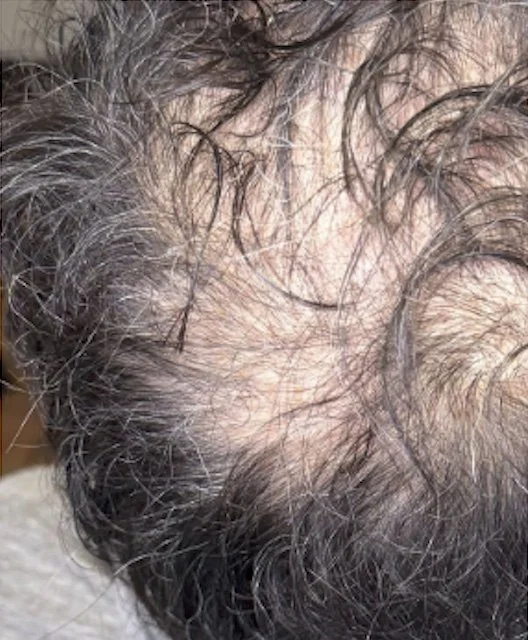
Glacier MedSpa Microneedling and PDGF+ (before)
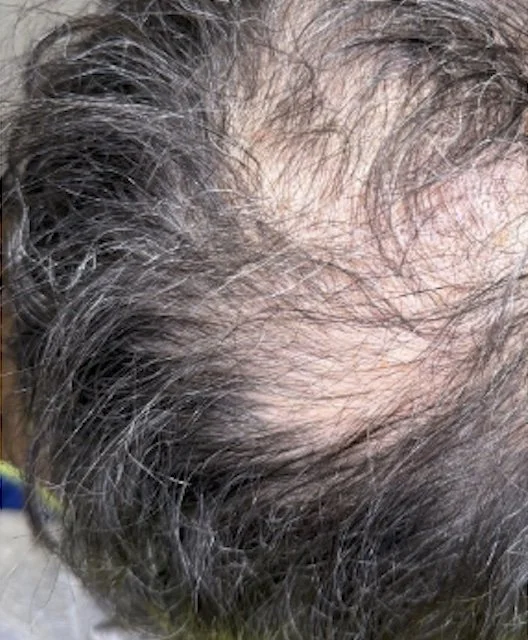
Glacier MedSpa Microneedling and PDGF+ (2 weeks after first treatment)
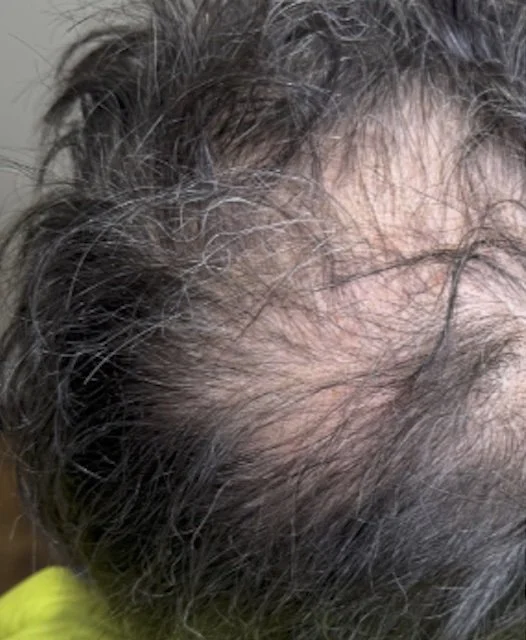
Glacier MedSpa Microneedling and PDGF+ (2 weeks after second treatment); results will continue to improve
What is Microneedling
Microneedling uses a device with tiny, sterile needles to create controlled micro-injuries in the skin or scalp. These micro-injuries trigger the body’s natural wound-healing response, increasing blood flow, releasing growth factors, and stimulating collagen and elastin production. For hair loss, microneedling is performed on the scalp to target hair follicles and surrounding tissue.
Key benefits include:
Stimulation of local growth factors and blood flow that support hair follicles.
Enhanced topical absorption of therapies.
Minimal downtime compared with surgical approaches; most people experience mild redness and sensitivity for 24–72 hours.
A relatively low-risk, office-based procedure when performed by trained providers using sterile technique.
How does microneedling for hair loss work?
Evidence suggests microneedling can be an effective adjunctive treatment for certain types of hair loss, particularly androgenetic alopecia (pattern hair loss) in both men and women. Clinical studies comparing microneedling plus topical therapies to topical therapy alone have shown greater improvements in hair count, hair thickness, and patient-reported outcomes when microneedling is added.
Mechanisms by which microneedling helps hair growth:
Mechanical stimulation – Needling induces wound-healing cascades that release platelet-derived growth factor (PDGF), vascular endothelial growth factor (VEGF), and other cytokines supportive of follicle health.
Increased blood flow – Micro-injury promotes local angiogenesis, improving nutrient and oxygen delivery to follicles.
Follicular activation – Needling may stimulate dormant or miniaturized follicles to re-enter the growth phase.
Enhanced delivery: Microchannels temporarily increase scalp permeability, allowing topical agents to penetrate more deeply and act more effectively.
Typical Results and Expectations
Noticeable improvements from microneedling for hair loss typically take several months because hair grows slowly, and multiple sessions are required. Common protocols call for treatments every 4–6 weeks for 3–6 sessions, followed by maintenance sessions every few months.
What to Expect at Your Appointment
When you arrive, we’ll begin with a gentle scalp assessment and cleansing to ensure the area is ready and comfortable. If you prefer, a topical numbing agent can be applied to minimize sensation. During treatment, a skilled provider will use a microneedling device to deliver controlled, precise passes across thinning areas, creating tiny microchannels that stimulate renewal. Immediately afterward, you may choose to have nourishing serums, platelet-rich plasma (PRP), or growth factors applied to boost absorption and support recovery. We’ll finish with soothing post‑procedure agents, clear home‑care instructions to keep your scalp calm and protected, and set any needed follow-up appointments so you feel supported every step of the way.
Are you a candidate for microneedling?
Microneedling for hair loss might be a good fit for you if:
You have androgenetic alopecia (male- or female-pattern hair loss) with recent or ongoing thinning.
You have diffuse thinning, with follicles miniaturized but not completely lost.
You are looking for a non-surgical option to enhance topical or biologic hair therapies.
You understand the need for multiple sessions and realistic expectations for gradual improvement.
If you’re considering microneedling but want to confirm whether it’s appropriate for your skin type, medical history, or current medications, contact Glacier MedSpa to discuss your concerns and medical background with our trained providers. During a consultation, we’ll review potential contraindications (such as active skin infections, certain autoimmune conditions, recent isotretinoin use, or open wounds), explain the procedure, outline expected side effects like temporary redness, swelling, pinpoint bleeding, and mild discomfort, and describe post-treatment care to minimize risk. We’ll also discuss how microneedling interacts with other treatments you may be receiving and whether alternative procedures would better meet your goals. Reaching out allows us to create a personalized, safe plan and answer any questions so you can make an informed decision.
Next step — Reach out to Glacier MedSpa
If you’re experiencing hair thinning and want personalized, effective options, schedule a consultation with our medical team. We evaluate underlying causes, review your medical history and goals, and recommend a tailored plan. Our providers will outline expected timelines, potential side effects, and realistic results so you can make an informed decision.
To get started, contact our Whitefish or Kalispell office to book an assessment and discuss the best approach for restoring hair health and confidence.
Disclaimer: This site offers health information and is designed for educational purposes only. You should not rely on this information as a substitute for, nor does it replace professional medical advice, diagnosis, or treatment. If you have any concerns or questions about your health, you should always consult with a physician or other healthcare professional. Do not disregard, avoid, or delay obtaining medical or health-related advice from your healthcare professional because of something you may have read on this site. The use of any information provided on this site is solely at your own risk.